As a small business owner, staying informed about financial trends isn’t just useful – it’s essential to protecting cash flow, accessing capital, and making smart growth decisions. Each week, Doxa Legacy Advisors provides a clear, practical summary of what’s happening in the financial markets and exactly how it impacts small business funding.
This week’s economic environment is being shaped by three major forces:
- Continued tight lending standards
- Slowing but stable economic growth
- Rapid AI adoption increasing productivity and margins
These forces are directly influencing how lenders evaluate risk and how small businesses should think about capital in 2026.
📊 Market Overview for the Week
Interest Rates & Inflation

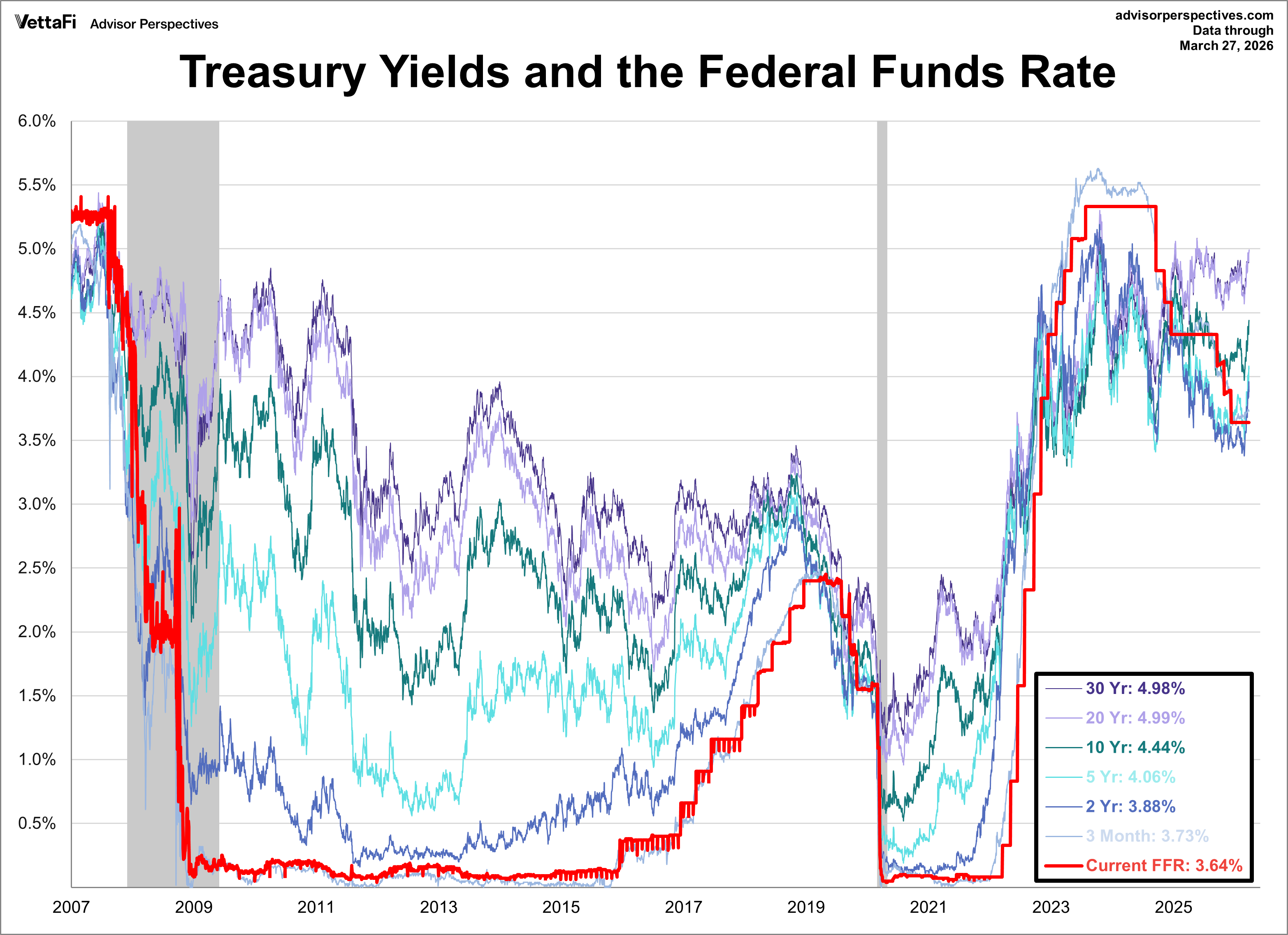
This week in the financial markets:
- The Federal Reserve continues to hold interest rates steady while signaling that rate cuts will depend on inflation continuing to move toward the 2% target
- Inflation is cooling slowly, but services, insurance, housing, and energy remain elevated
- Treasury yields remain relatively high, which keeps business loan rates elevated
- Oil and energy markets remain volatile due to ongoing geopolitical tensions
What this means for small businesses:
Borrowing costs remain higher than they were a few years ago, and rate relief may take longer than expected. Businesses should plan for a higher-for-longer interest rate environment when making financing decisions.
Credit Spreads & Lending Standards
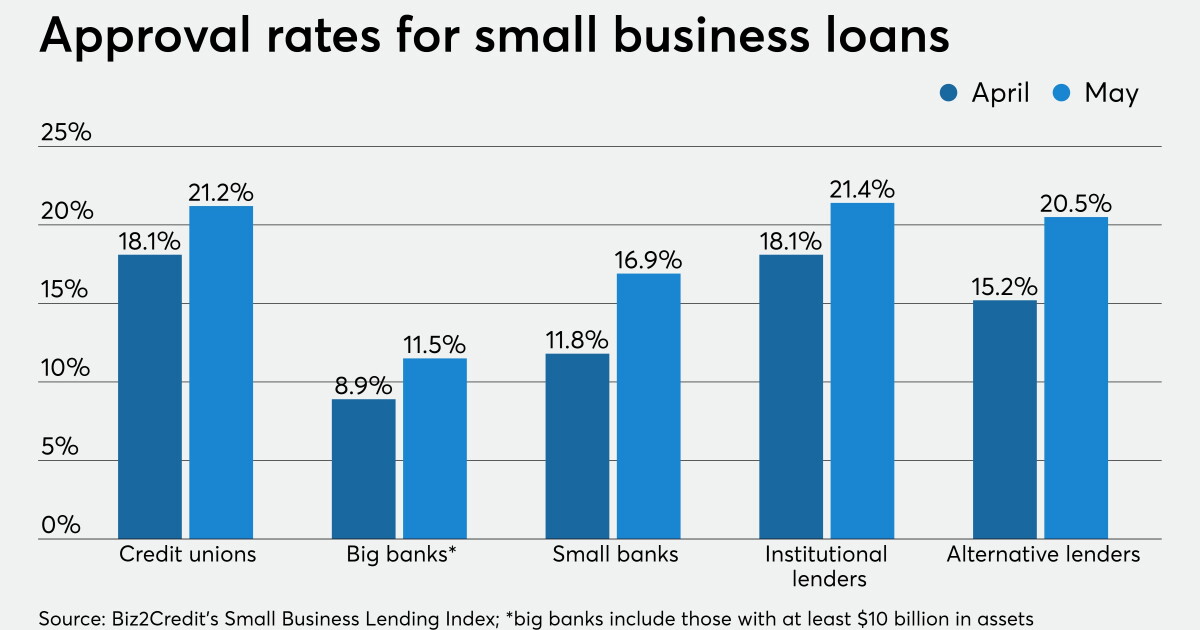
The lending environment remains selective.
Key trends:
- Large banks continue tightening underwriting standards for small business loans
- Community banks are still lending but focusing heavily on cash flow and collateral
- SBA lending remains active but requires strong documentation and financial history
- Alternative lenders continue to grow as banks remain selective
Small business takeaway:
We are in a “strong borrowers get funded” environment.
Capital is available, but lenders are choosing safer deals.
Economic Growth & Small Business Conditions

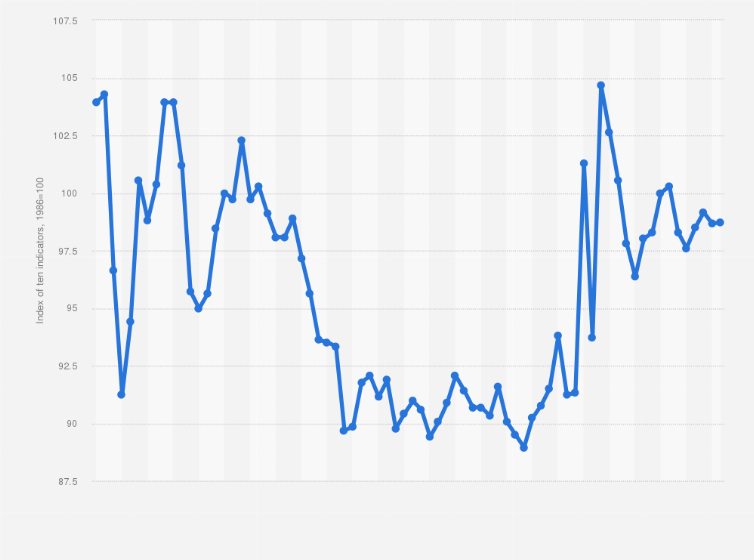
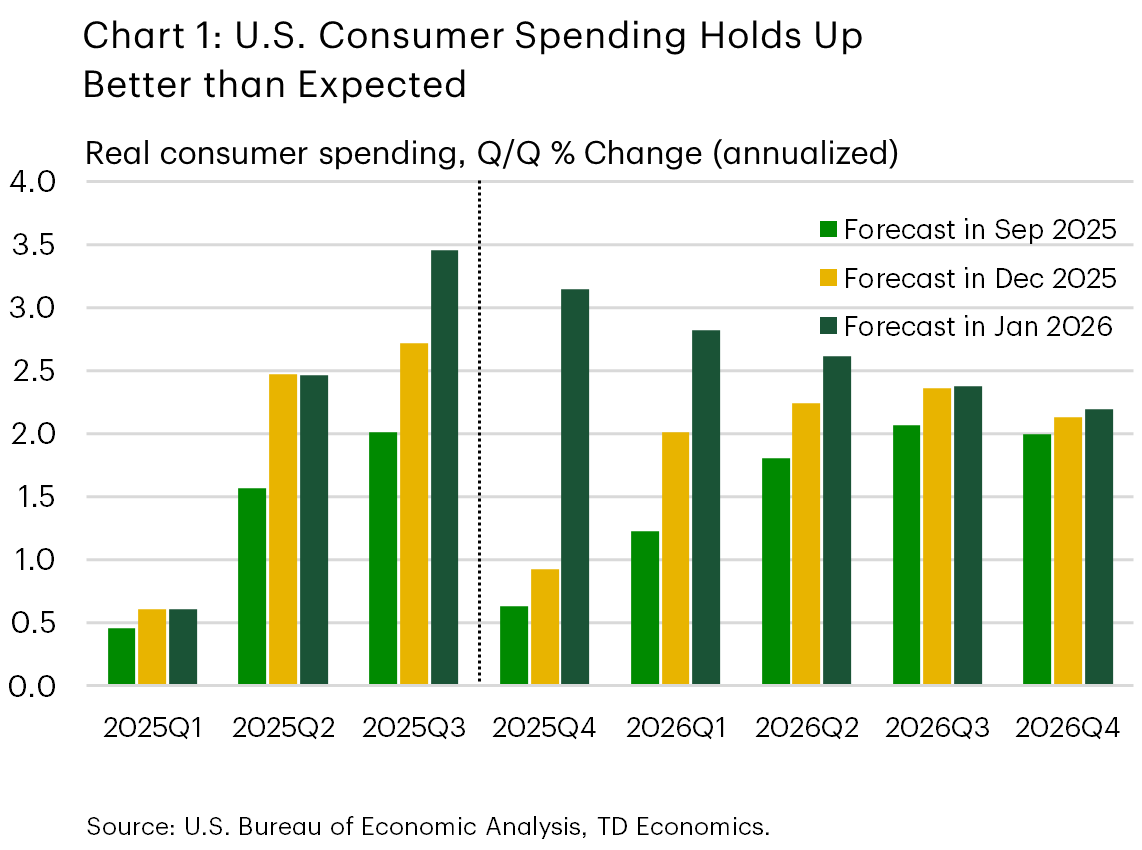
The broader economy is slowing slightly but remains stable:
- GDP growth has slowed compared to previous years
- Consumer spending is still positive but slowing
- Hiring has cooled slightly
- Small businesses continue to report that their biggest challenge is rising costs
Interpretation:
We are not in a recession, but we are in a slower growth, higher cost environment, which makes lenders more cautious.
AI Productivity & Business Efficiency
One of the biggest economic stories right now is AI adoption across nearly every industry.
Businesses are using AI to:
- automate administrative work
- improve marketing
- reduce labor costs
- improve forecasting
- increase productivity
- improve margins
Why this matters for funding:
Lenders are increasingly looking for businesses that show:
- operational efficiency
- strong margins
- scalable systems
- technology adoption
Businesses that are more efficient and more profitable are easier to fund.
This is a major shift that many small business owners are not yet thinking about.
💼 How Current Events Affect Small Business Funding
1. Higher Interest Rates Reduce Borrowing Power
When rates are higher:
- Loan payments are higher
- Businesses qualify for smaller loan amounts
- Lenders require stronger cash flow
This means businesses must show stronger financial performance to qualify for the same funding.
2. Rising Costs Affect Loan Approvals
If expenses increase due to:
- fuel
- insurance
- payroll
- rent
- materials
then net income decreases, and lenders base approvals on net income and cash flow, not just revenue.
3. Lenders Are More Selective
Lenders are prioritizing:
- consistent revenue
- 2+ years in business
- positive net income
- organized financials
- clear use of funds
Preparation is now one of the biggest factors in getting approved.
4. Alternative Funding Is Becoming More Common
Many businesses are now using:
- SBA loans
- equipment financing
- revenue-based financing
- business lines of credit
- invoice factoring
- private lenders
The key is choosing the right type of capital for the right purpose.
💡 Funding Tips for Small Business Owners This Week
Here are practical steps you can take right now:
✔ Know your monthly revenue, expenses, and net income
✔ Organize your financial statements and tax returns
✔ Improve cash flow before applying for funding
✔ Only take funding that will increase revenue or efficiency
✔ Apply with the right lender for your situation
✔ Prepare your funding package early
Documents to have ready:
- 3–6 months bank statements
- Profit & Loss statement
- Balance sheet
- Tax returns
- Business plan or use of funds summary
🧭 Why Weekly Market Updates Matter
Small business funding changes based on:
- interest rates
- inflation
- economic growth
- global events
- banking industry behavior
- technology changes like AI
Business owners who understand these trends can:
- apply at the right time
- choose the right loan
- negotiate better terms
- avoid expensive mistakes
The businesses that understand the market get funded faster and on better terms.
📣 Final Thoughts
We are currently in a very unique economic environment where several major forces are happening at the same time:
- Interest rates remain elevated
- Costs are rising for many businesses
- Lenders are more selective
- AI is rapidly increasing productivity and changing how businesses operate
This environment is creating a clear divide:
- Businesses that are organized, efficient, and profitable are getting funded
- Businesses that are disorganized or have weak financials are struggling to access capital
Access to capital is no longer just about needing money – it is about being fundable.
At Doxa Legacy Advisors, our mission is to help business owners become fundable, not just help them find funding.
Check back next week for the next Market & Funding Update.
If you are planning to apply for funding, refinance debt, or prepare for growth capital, Doxa Legacy Advisors is here to help you build the right strategy.